
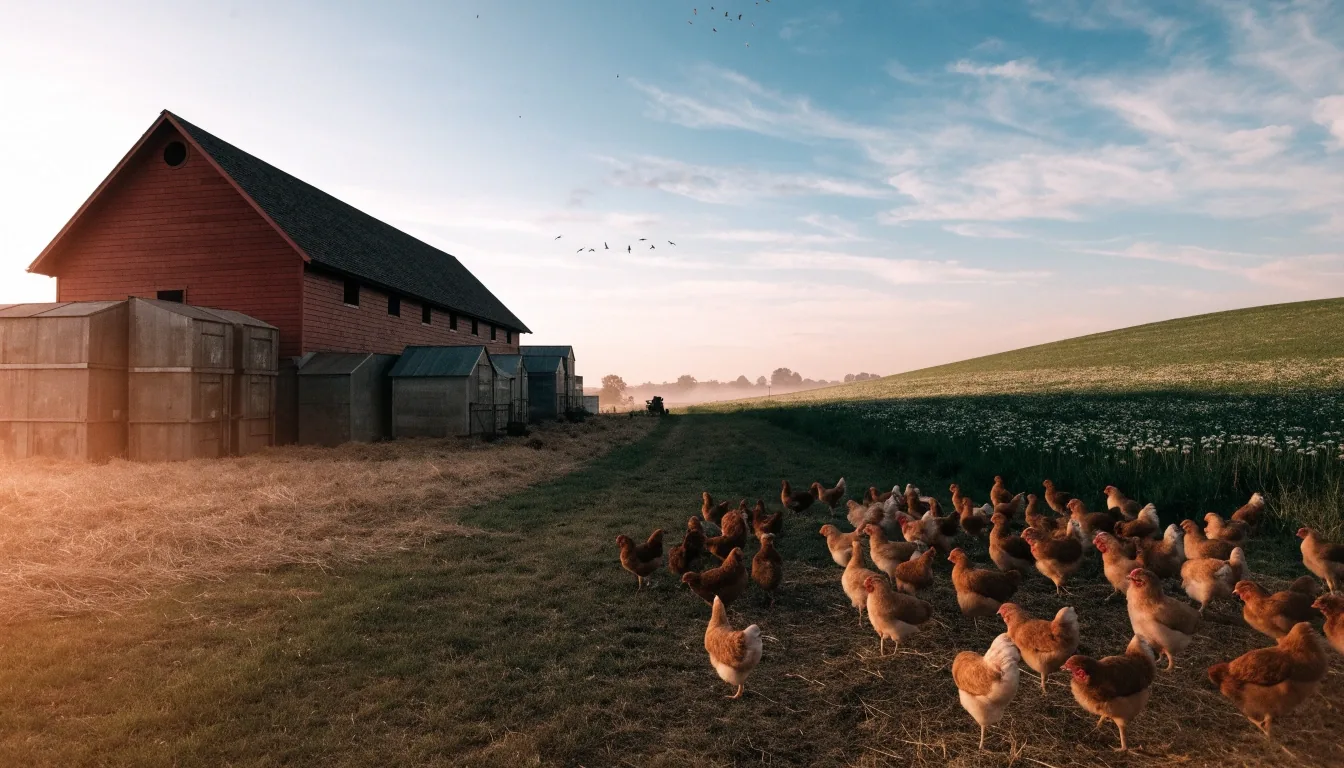
Chicken Sourcing & Quality
Where does Swiss Chalet say its chicken comes from?
Rotisserie chicken ready when you are — and raised on language you can actually read.
This page explains sourcing and preparation language in the words Swiss Chalet itself uses. The brand states it partners with Chicken Farmers of Canada and describes chickens raised to high standards, with grain-fed, steroid-free, hormone-free and free-range messaging in its materials.
Guide notes · Public brand wording only · No farm audits
01 · Partnership
The Chicken Farmers of Canada partnership in plain terms
Swiss Chalet states it partners with Chicken Farmers of Canada, an organization that represents domestic chicken producers. For diners, that line signals Canadian supply rather than imported poultry. If Canadian origin matters to your household in Calgary, Ottawa or Halifax, that partnership statement is the anchor to check on official brand pages.
It does not by itself list individual farms, hatch dates or transport routes, and this guide does not fill in those gaps. We link conceptually to that claim without adding numbers the brand has not published. When you see the swisschalet sourcing line on a menu board or website, read it as origin posture: Canada first, details held by the supply program.
Practical check: if you shop for swiss chalet chicken because you want domestic birds, look for the current partnership wording on official Swiss Chalet pages before you visit. Wording changes, and older flyers or fan posts can lag behind the brand.
What the line covers
Canadian supply signal. Points to domestic producers, not a named farm.
What it leaves out. No hatch dates, barn locations or trucking routes.
Where to verify. Official brand pages carry the current version.
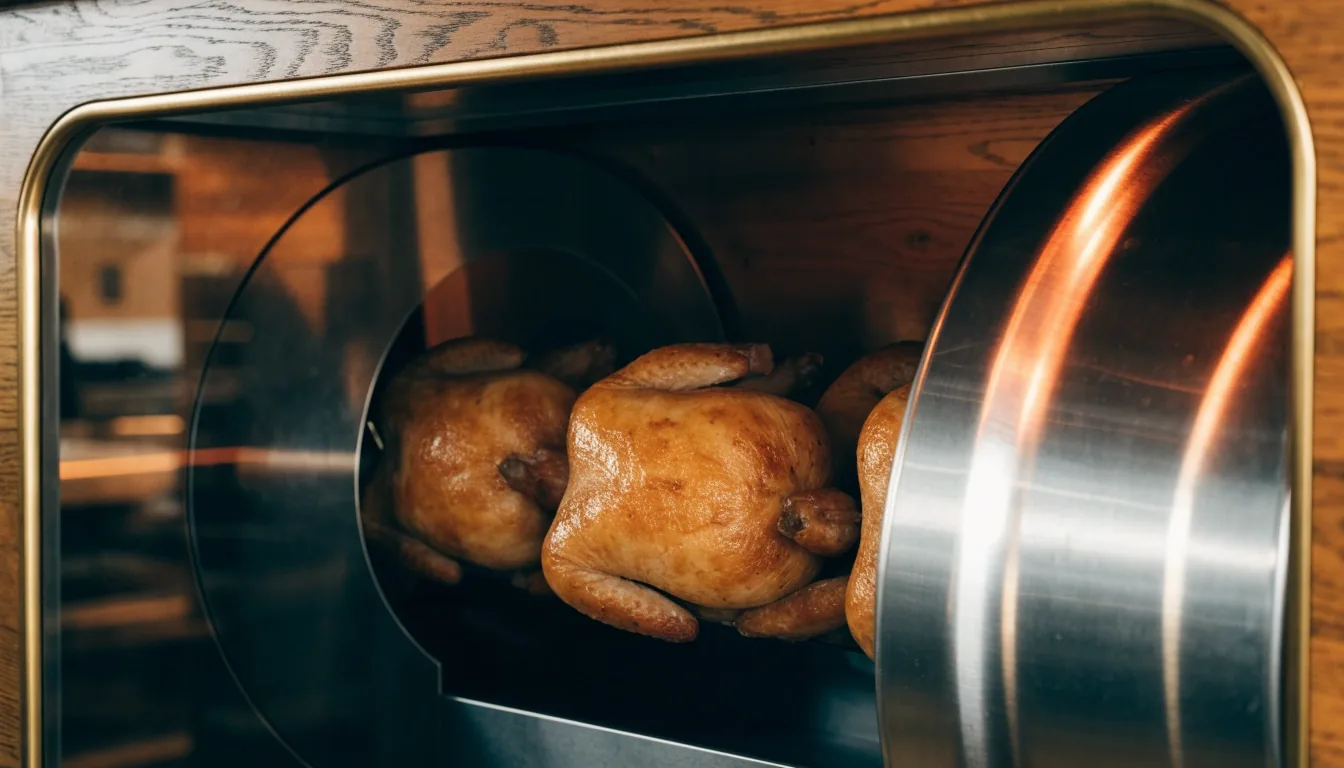
Spits turning midday — heat does the talking. Grain-fed birds, even rotation, skin rendering slowly.
Ledger note
Grain-fed, steroid-free and hormone-free: what the words mean
Grain-fed describes diet, steroid-free and hormone-free describe what was not used during raising. These phrases appear in Swiss Chalet brand messaging to reassure value-conscious diners. They are common in Canadian poultry marketing and follow national production rules.
They do not describe flavour directly, though diet and handling can affect texture before rotisserie cooking. Read them as sourcing posture, not as a taste promise for a specific Tuesday dinner. A grain-fed chicken in Canada typically eats a cereal-based ration; the hormone-free line reflects how Canadian chicken is raised under current rules.
Ledger note
What does free-range messaging cover here
Free-range in brand copy usually points to access or husbandry standards as defined by the supply program. Swiss Chalet uses free-range phrasing among its quality messages, without publishing a separate welfare manual on the menu board.
If you need specifics for dietary or ethical planning, ask the brand through official channels for the current supplier standard. This guide keeps to the published wording so we do not overstate housing or outdoor-access details. Do not read a single menu adjective as a full housing audit.
02 · Reading the claims
Raised to high standards: how to read that line
Raised to high standards is a summary claim, not a measurable threshold you can verify from a plate. It tells you the brand wants sourcing to be part of the value story alongside taste and price. It works together with the Chicken Farmers of Canada reference and the grain-fed wording.
For a practical read, pair that language with what you can observe: hot holding, clean carving and even cooking. Those kitchen cues matter more for tonight's dinner than any slogan. Steam on opening, juices that run clear, skin that still crackles at the table — that is the part you can check.
Value lens · Ontario to Western Canada
Why sourcing language matters to value-conscious diners
Grocery prices have made many Ontario and Western Canada families compare restaurant chicken with store-bought birds. Sourcing statements help justify choosing a restaurant over cooking at home.
When a chain names a Canadian farmer body and lists feed and production terms, shoppers feel they know what they pay for. This page exists so you can weigh that reassurance without mistaking it for third-party certification. Value is portion plus origin story plus how well the food travels.
How We Compare Casual Chains03 · Kitchen process
The rotisserie oven and cut-to-order service
Rotisserie oven cooking turns chicken on spits so heat reaches the meat evenly and skin renders gradually. Cut-to-order means the quarter is portioned after you order, rather than sitting pre-cut under a lamp.
That sequence helps explain why dine-in skin eats crisper than delivery skin after a 25-minute drive. Staff baste and hold product to brand procedure, and timing varies with lunch versus dinner rush. If crisp skin is your priority, eat in the dining room or open takeout cartons promptly so steam escapes instead of softening the crust.
Even rotation keeps juices distributed while the outside browns slowly under heat lamps.
Carving to order keeps the cut edge moist; pre-cut pieces dry faster under holding heat.
Rush hours turn product faster. Off-peak, ask staff about timing if freshness matters tonight.
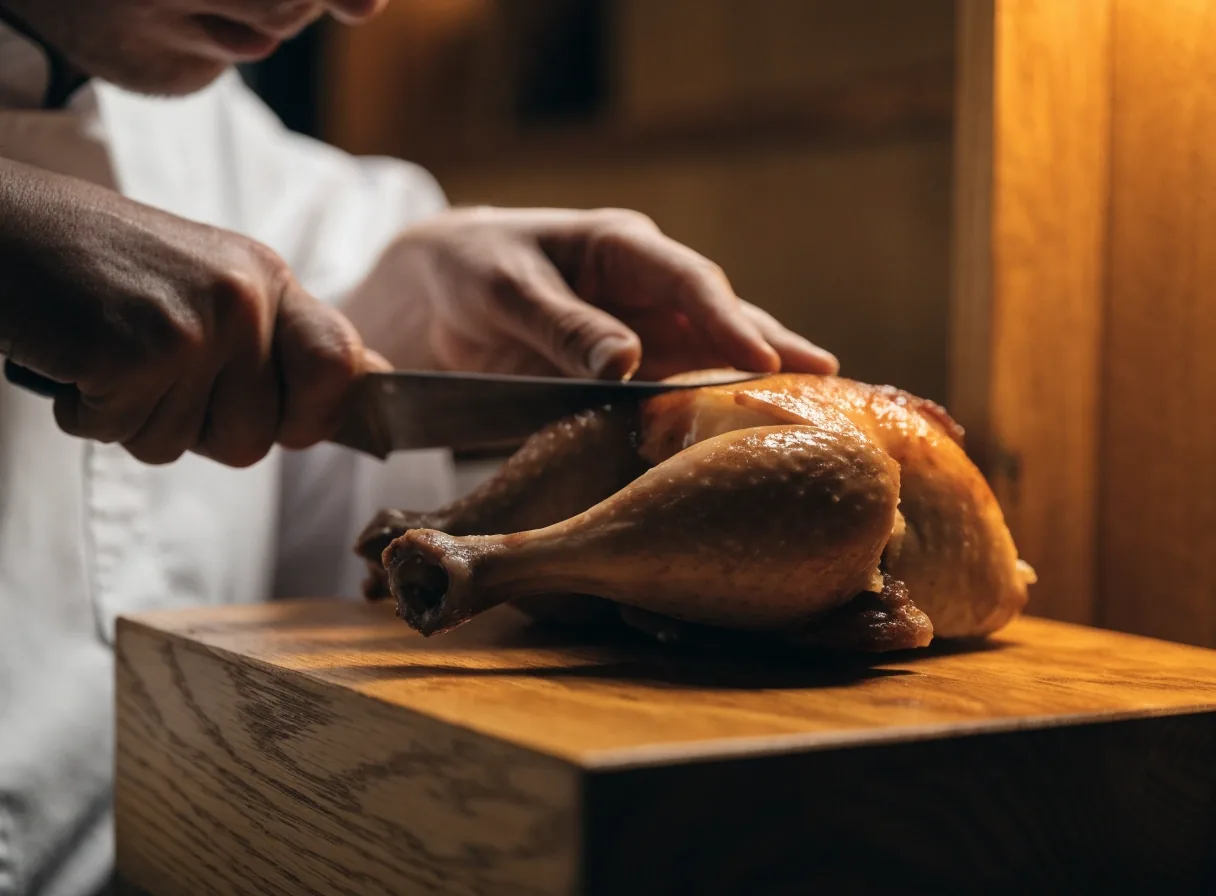
Carved on the block, not under the lamp — juices and crisp edge visible.
04 · Honest limits
What this guide does not claim about freshness
Fresh here means hot, moist and recently carved — not a farm timestamp.
We do not claim same-day farm delivery, specific holding times or temperature logs, because those facts are not in the public materials covered here. Fresh in everyday talk often means hot, moist and recently carved, which rotisserie service delivers when turnover is high. Slower periods can mean longer holding, as in any busy kitchen.
Judge by steam, juices and texture on arrival, and ask staff about timing during off-peak hours if it matters to you. If a swiss chalet quarter arrives steaming with clear juices and skin that still resists the fork, the kitchen is turning product well regardless of the slogan above the counter.
How we keep sourcing notes current
Checked against public brand wording
Brand wording changes, and supplier programs update their standards. We review this page against Swiss Chalet public statements and adjust phrasing when the brand revises its sourcing copy. We do not carry over old claims after they disappear from official materials.
If you spot outdated language from swisscchalet.com, use the Contact page to flag the sentence. We correct toward the published source, not toward memory.
Send a sourcing correction276 King Street West, Toronto · 11:00 AM – 10:00 PM
Next · Menu
Compare classic plates
See how quarter chicken, wraps and ribs read on the board — portions, sides and what travels best.
Menu ClassicsNext · Takeout
Plan family takeout
Keep skin crisp on the drive home: vent cartons, time the pickup and reheat without drying.
Takeout & Delivery GuideAbout this guide
Independent, Canada-based notes
Swiss Chalet Guide Canada explains public brand claims in plain language. No lab tests, no audits — careful reading you can use.
About This Guide